
How Building a Marketing Culture Transformed an International House School: A Case Study

How Building a Marketing Culture Transformed an International House School: A Case Study
 Gina Rodriguez
 This case study is based on a nine-month marketing project with an International House school in Italy. Some operational details have been intentionally omitted or generalised to protect commercially sensitive information.
A Language School Marketing Case Study in Strategy, Systems and Sustainable Growth
The language school was already well-established and respected in the community. It had a strong language offer, a committed marketing team and a recognised educational identity in town and nearby areas. They approached me because:
- They wanted to increase enrolments
- They felt their social media was underselling their language services
- Their META Ads campaigns weren’t bringing the results they expected although the allocated budget was generous.
In practice they were looking to improve their social media presence by doing better posts and posting more often. However, their poor social media results were actually the symptom of deeper issues.
So what began as a request for social media marketing support soon evolved into a broader consultancy project focused on marketing strategy, systems, internal coordination and team alignment leading to a nine-month collaboration which resulted in setting the foundations for a stronger marketing culture among teams.
Interested to learn what happened? Read on!

About me: Hi, I’m Gina Rodriguez. I’m a qualified Digital Marketing Specialist and I work as a Social Media Strategist & Marketing Consultant for the language education sector . I have 25+ years experience in the English Language Teaching (ELT) industry. I have covered various roles from EFL teacher, teacher trainer to Sales & Marketing Consultant in educational publishing.
What I do: I help language schools build an engaging social media presence through training, consultancy and tailored strategies.
👉Sign up to my newsletter for Social Media Post Ideas to keep you inspired and consistent.
The Challenge this International House School was Facing
After a first in-person visit and an audit of its social media I realized that the challenge had deeper roots.
First of all, the main co-ordinator didn’t have the tools to conduct the orchestra. Let me explain:
The co-ordinator had to liaise with a web developer, an advertiser and a social media specialist but lacked the resources to plan the marketing activity, supervise the outsourced services and track results.
On top of this, it was a large school with over twenty language teachers, four specialized language departments and ten members of admin and front office staff.
Keeping track of the main activities was hard for the co-ordinator and there was no system in place to keep a steady flow of information and feedback among marketing, front office and academic teams
The ads campaigns and social media were outsourced and received very little input from the school on what to prioritize. In other words there was a lack of alignment among teams.
Many people were involved in the language school marketing. However, without a shared system to keep key information flowing, the various departments and external services were almost like isolated towers of the same castle.
Some key aspects of social media were overlooked, such as the way direct messages were handled. Everyone was too busy to keep track of them properly. So when auditing their META account, I found leads with considerable potential value sitting in the META inbox without a follow-up, after the school had invested a significant budget on the campaign and organic social media activity. This meant that they were literally wasting part of their investment and missing opportunities for new enrolments.
The other challenge was that there was very little data tracked, like conversion rates or social media insights. Not tracking key insights made it difficult to understand what was working and what needed to change .
Solutions provided by GR School Marketing
One of the central aims of the project was to move away from reactive last-minute marketing actions towards a more structured language school marketing strategy aligned with the overall marketing activity to support the school’s enrolment goals. This meant creating practical resources to support the team over time and make “the orchestra easier to conduct” for the co-ordinator.
When systems are missing, marketing often depends on memory, urgency or the energy of one or two people. That creates pressure and inconsistency. It also makes it harder for leadership to understand what is happening, what is working and where support is needed.
Some of the marketing resources that were created ad-hoc were:
- A social media strategy document outlining the digital marketing activities necessary to help generate enrolments and student retention.
- A campaign planner to be able to strategize campaigns throughout the academic year,decide on priorities and optimize resource allocation.
- An ad campaign tracking system to capture performance data to help the school make informed decisions regarding budget, creative assets and conversion rates .
- A monthly social media report template to track content performance monthly, identify optimization opportunities and provide the director with an overview of the social media results.
- We created a RACI Matrix ( a matrix that clarifies roles and responsibilities to prevent confusion, missed deadlines, and overlapping authority) to clearly define task ownership to optimize various tasks. This was particularly important to prevent the leakage of leads.
Once the strategy was ready and all the resources and systems created, we had a new challenge: making the orchestra play in harmony! So we moved into a phase of focused implementation support, with regular consultancy sessions to help the team apply the strategy, review priorities, interpret results and decide what needed attention next.
This is the same kind of clarity and focus that sits behind my TREAT YOURSELF consultancy sessions, but in this case it was applied as part of a longer Fifty-Fifty Strategy formula. The aim was to support them in implementing the strategy and stay accountable while getting used to a new structured marketing system.
Implementation Support: Helping the Team Apply the Strategy
When the overall strategy was ready we had a new challenge: putting it into practice with a team that wasn’t ready for it yet.
A school may receive a good marketing plan, but if the team does not have the time, confidence or structure to implement it, very little changes.
This is why implementation support was a key part of this project.
Throughout the nine months, the internal team received ongoing support to apply the roadmap, review actions, discuss priorities and solve practical problems as they emerged.
This included weekly meetings with the co-ordinator, monthly sessions with the director, and quarterly meetings with the whole team. What’s more, we worked closely with the social media specialist, reviewing reports and social media calendars, providing feedback on assets and helping translate strategic ideas into concrete actions.
The goal was to strengthen the school’s internal capability in managing their own marketing internally in an effective way and that the director had a better overview of the impact of marketing on enrolments.
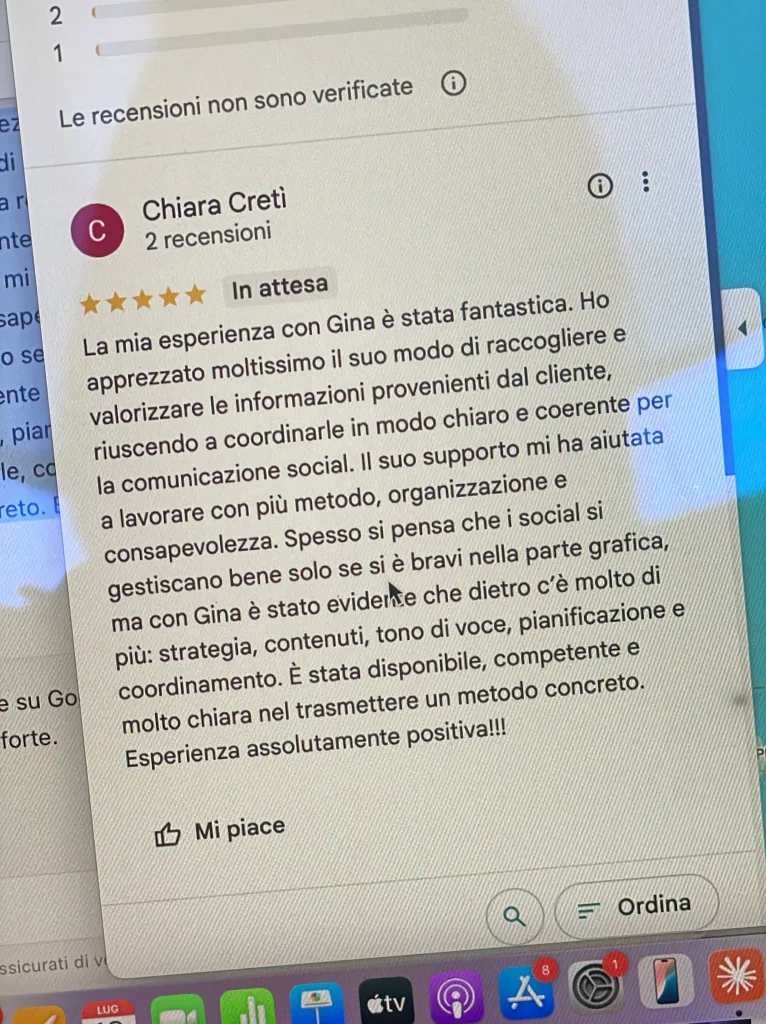
Feedback from the school’s social media marketing specialist at the end of the project:
“My experience with Gina was fantastic. I really appreciated the way she gathered and valued the information coming from the client, coordinating it clearly and coherently for social media communication. Her support helped me work with more method, organisation and awareness.
People often think that managing social media well is only about being good at graphics, but with Gina it became clear that there is much more behind it: strategy, content, tone of voice, planning and coordination. She was available, competent and very clear in sharing a concrete method. An absolutely positive experience!”
Over time, this helped the team become more confident in understanding marketing priorities and interpreting results.
This is one of the reasons I believe implementation support is so important in language school marketing.
Marketing Results International House Achieved
The project delivered both quantitative and qualitative results.
✔️META Ads moved from a single static post to more authentic video content featuring members of staff. The cost per lead went down and selected campaigns achieved a 10x return on ad spend. Some courses saw an enrolment increase of 25%.
✔️This also had a positive impact on organic social media growth. More authentic photos and videos helped increase engagement and reach, which combined with the ad campaigns led to organic page growth of +59.8% on Instagram and +4% on Facebook.
✔️The number of DMs from organic activity increased by 30%, every direct message (DM) was followed up, and the response time to DMs was reduced to within 24 hours. This helped the school convert more social media enquiries into enrolments.
For a school owner, this is one of the most important points:
Generating leads from social media is not worth the investment if there is no system to follow them up.
Gina Rodriguez
✔️One of the biggest changes was that the school stopped losing enrolment opportunities simply because messages were not being monitored and handled properly.
✔️Before the project, social media content was usually created and published as a one-off activity. One of the changes introduced was a more strategic approach to content repurposing, so that key messages and useful content could be adapted across different communication channels. This saved time and budget and helped create a more cohesive school presence.
The results were not only visible in the numbers, though.
✔️The staff developed a stronger understanding of the role everyone plays in marketing the school. Feedback from the final team meeting confirmed that participants had gained a clearer understanding of the school’s marketing strategy and recognised that marketing is not only about communication, but about every interaction with students, parents, teachers and potential clients.
The concept that every member of staff contributes to the school’s marketing was shared by all participants. The team also recognised the importance of collaboration between departments in order to offer a consistent, high-quality experience and agreed to be more collaborative in sharing key feedback with marketing.
One participant summarised the shift particularly well:
“We are all links in a large chain that needs to stay connected for the success of the school’s activities and to maintain its reputation.”
This qualitative feedback was one of the most important outcomes of the project. It showed that the work had moved beyond social media performance and had started to influence the way the school understood brand, reputation, customer experience and internal collaboration.
For me, this is where the real value of the project became clear. The school did not just improve its marketing activity. It started building the internal habits, systems and shared awareness needed to make marketing more sustainable over time.
Final Reflections: What This Language School Marketing Case Study Shows
If a well-established International House school with an experienced team discovered that its biggest marketing opportunities lay in systems, collaboration and customer experience, not in posting more often, how many other language schools might be focusing on the wrong problem?
What began as a request for marketing and social media support evolved into a nine-month marketing project.
Through structured onboarding, Fifty-Fifty Strategy Formula, reporting systems, KPI tracking, practical resources and ongoing coaching, the school was able to move towards a more sustainable approach to marketing. This is now helping them achieve better results without having to increase the budget or create more content.
Language schools do not always need more posts! Very often, they need better systems, clearer ownership and a stronger understanding of how every interaction contributes to enrolments, reputation and trust.
A strong social media strategy for language schools isn’t about just posting, it’s about clarity, consistency, and conversion. If your school is investing in marketing but the results are inconsistent it may be time to stop posting and praying. Drop me a line at hello@grschoolmarketing.com or book a free discovery call . Let’s find out how I can support your enrolment goals.
From social media strategy to content creation and training, GR School Marketing supports language education brands in building a strong online presence.
